
12 Outcome-Backed Jobs to Be Done Examples (And What They Prove)
Explore 12 real jobs to be done examples from McDonald's to Meta, each paired with measurable business outcomes. Learn how JTBD drives product strategy.
Updated 24 min read
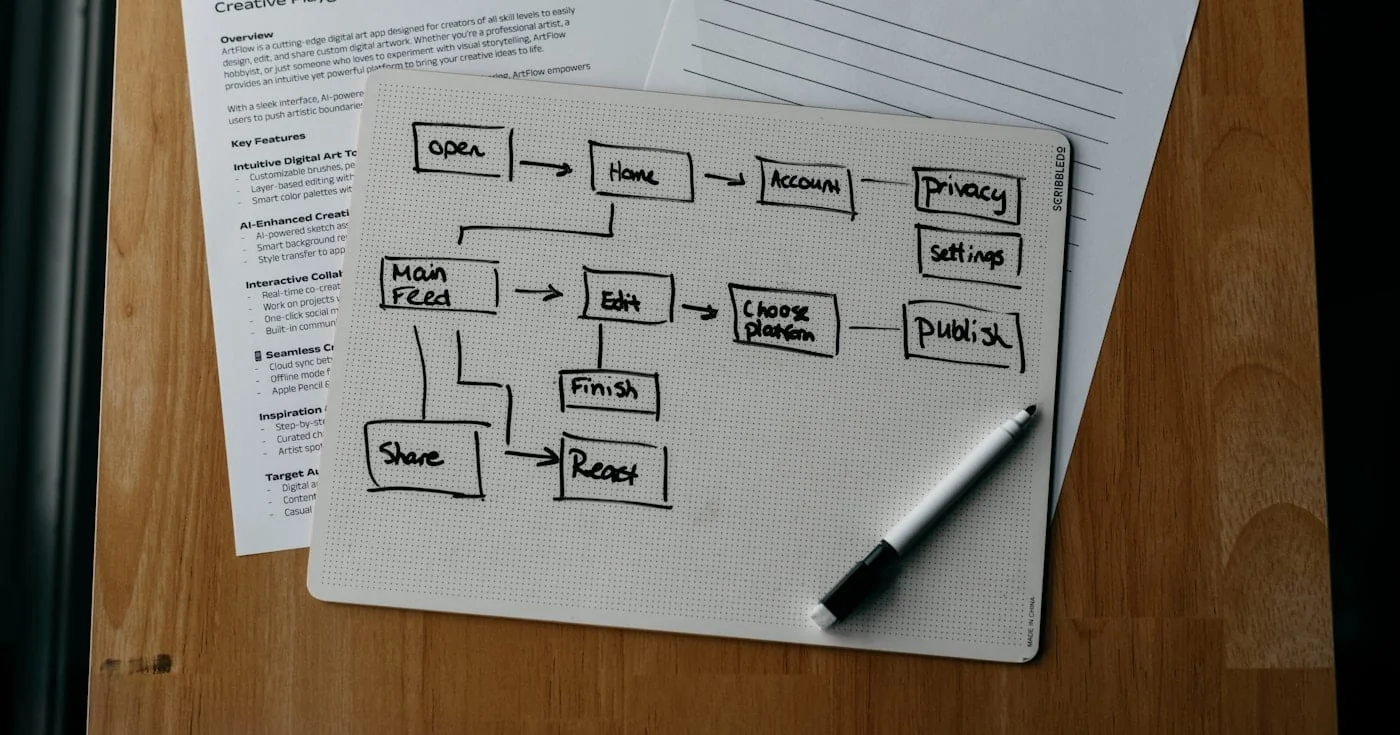

Explore 12 real jobs to be done examples from McDonald's to Meta, each paired with measurable business outcomes. Learn how JTBD drives product strategy.
McDonald's milkshake research revealed an effective market seven times larger than years of attribute focus groups had found. Intercom restructured from one product to four and grew 500% in 18 months. Cordis Corporation climbed from 1% to over 20% market share in angioplasty after applying the same framework.
In each case, the product team shifted one question: from "what features do users want?" to "what progress are customers trying to make?" The business results followed.
Below, 12 jobs to be done examples organized from foundational theory through org design, each paired with the outcome data most competing articles leave out. Strategyn reports an 86% success rate for projects following the ODI process, compared to a 17% industry average. The cases below illustrate why.
Ordered by impact and teachability, from foundational theory through org design:
Four things worth checking in any jobs to be done case study:
Company | Job Type | Core Job Statement | Business Outcome | JTBD Method |
|---|---|---|---|---|
Functional | Hire a drink to get through a boring commute without hunger or mess | Effective market found to be 7x larger than attribute research indicated | Demand-side observation + switch interviews | |
Functional (x4) | Get help / learn the product / onboard / get proactive support (4 distinct jobs) | 500% growth in 18 months; 4x traffic; 3x revenue | JTBD interviews, product restructure | |
Functional | Restore blood flow to an artery | 1% to 20%+ market share; 19 products all #1 or #2 in segment | Strategyn ODI | |
Emotional | Make progress in my career without disrupting current obligations | ~50 students to 200,000+ enrollment | Switch interviews (anomalous-student study) | |
Social + Emotional | Feel at home and experience local life while traveling | 2,500 listings (2009) to 6.6 million (2022) | Demand-side product architecture | |
Functional | Reduce communication overhead; make team knowledge instantly searchable | 12 million daily active users | JTBD as pre-launch positioning framework | |
Netflix | Functional | Help me discover films that match my tastes, on my schedule, without trips to the store | Job-based market definition | |
Functional + Emotional + Social | Find the right music for this moment without effort | 2.3B+ hours streamed on Discover Weekly since 2015 | Three-job-type product strategy | |
Functional | Manage dealer inventory without manual analysis | 20x increase in product install base | ODI segment identification | |
Functional | Get a decent razor at a fair price, delivered without effort | Acquired by Unilever for $1 billion | Over-served segment identification | |
Functional + Emotional | Connect remote workers face-to-face reliably, on any device | 354% customer growth following COVID-19 | Reliability-gap positioning | |
Functional | Decrease checkout time / increase number of checkouts | Measurable pod outcomes aligned across engineering, product, design, UXR | Job-as-pod org design |
12 jobs to be done examples compared at a glance
The commuter job that revealed a 7x larger market
Before Christensen and Moesta conducted their demand-side research in the 1990s, McDonald's had run repeated focus groups on milkshakes. Customers asked for sweeter flavors, chunkier ingredients, more variety.
McDonald's tested every recommendation. Sales didn't move.
The JTBD-informed observation, 18 hours of watching who bought milkshakes and when, revealed something the focus groups couldn't. Nearly half of all milkshakes sold before 9 AM went to lone commuters on their way to work.
They weren't buying a milkshake because they wanted a milkshake. They were hiring it to survive a boring solo drive: one hand on the wheel, something slow-sipping, filling, and engaging for 45 minutes.
The real competition wasn't Dairy Queen. It was bananas (gone in two minutes), donuts (too messy), bagels (too dry), and Snickers bars (guilt-inducing).
Afternoon milkshake sales told a completely different story: a parent treating a child after school. Different job, different competitive set, different product design needed.
Christensen (Harvard Innovation Labs):
There's a job out there somewhere that arises in people's life on occasion that causes them to need to buy a milkshake... It turns out the job that all of these people were trying to get done was: I have a long and boring drive to work and I needed something that would just keep me engaged with life while I'm driving the car.
When McDonald's tested a JTBD-guided redesign, the effective market turned out to be seven times larger than conventional attribute analysis had found. The real competitive set was invisible to any method that started with the product, not the job.
Demand-side observation combined with switch interviews (who is hiring this, when, against what alternatives). The Re-Wired Group documents the methodology in full.
Four distinct jobs, 500% growth in 18 months
After three years as an all-in-one customer communication platform, Intercom had plateaued. Customer relationships were strong, but growth had stalled.
JTBD research revealed four distinct jobs customers were hiring Intercom to do: getting help when something broke, learning how to use a feature, being onboarded, and receiving proactive nudges about relevant events. One product and one interface was forcing customers to use the same experience for four different contexts. The result: suboptimal design for each job, no pricing differentiation across them.
Intercom rebuilt from one product into four. Inbox (support), Articles (self-serve learning), Product Tours (onboarding), and Bots (proactive automation) each addressed one job. Value-based pricing followed directly from the job structure: each product priced on the value of its specific job.
The outcome: 500% growth in 18 months, 4x website traffic, and 3x additional revenue. Des Traynor, co-founder: "Five years later, it's still the foundation of our product and marketing strategies. I can't think of one area of our business JTBD hasn't improved."
Intercom's four-job restructure also produced the Job Story format now standard in UX practice: When [situation], I want to [motivation], so I can [expected outcome]. The Job Story format emerged from the need to write product specs that didn't collapse four distinct jobs into a single user story.
JTBD interviews with customers, analyzed by The Re-Wired Group.
From 1% to 20%+ market share via Outcome-Driven Innovation
Cordis was competing in the angioplasty balloon market. Their market share was 1%.
Strategyn's Outcome-Driven Innovation process began with a single functional job: "Restore blood flow to an artery."
ODI research then identified 12 distinct outcome metrics that customers used to evaluate success at that job, including minimizing procedure time, minimizing the risk of arterial damage, and maximizing control of balloon positioning. Each metric was scored on importance and current satisfaction. The gaps between importance and satisfaction revealed exactly which outcomes were underserved.
Cordis focused product development on those gaps. The result: 19 new products, every one becoming #1 or #2 in its market segment, and market share growing from 1% to over 20%.
This is the clearest available example of ODI as distinct from narrative JTBD research. The job doesn't change. The outcome metrics that define "doing the job well" are what ODI surfaces and scores.
B2B and industrial companies find ODI more applicable than the switch-interview method precisely because outcome metrics are measurable in technical fields in ways emotional jobs are not. This case study appears in zero top-10 SERP competitors for this keyword.
Outcome-Driven Innovation via Strategyn: importance × satisfaction scoring of outcome metrics within a defined functional job.
50 anomalous students became a 200,000-student strategy
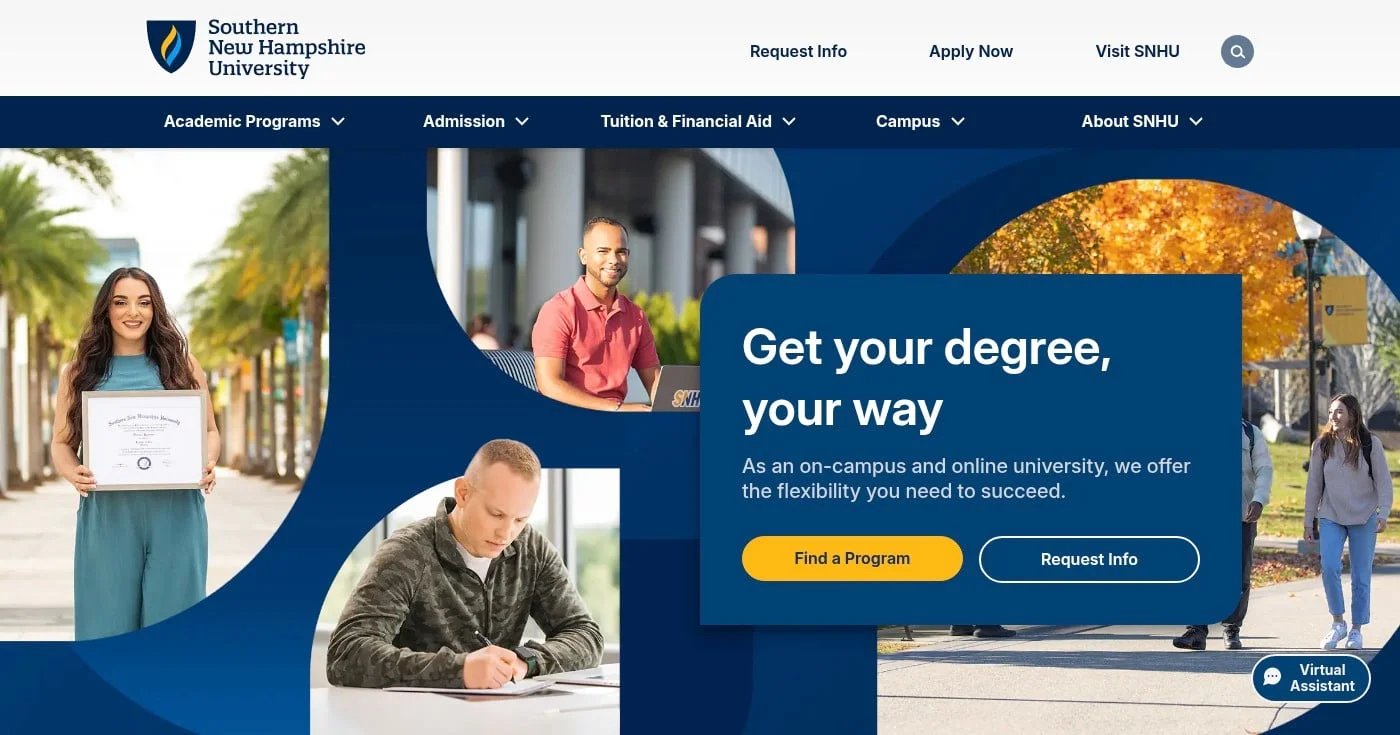
In 2010, Southern New Hampshire University had 50 to 60 students paying full tuition but never showing up in person. Conventional analysis would flag them as data anomalies to ignore. Bob Moesta's team interviewed them instead.
The job these students were hiring SNHU to do was fundamentally different: adult learners who had tried college once before, it hadn't worked, and they needed credentials without disrupting current obligations. The job: "Make progress in my career without disrupting current obligations."
Traditional college was designed around a completely different job. SNHU's campus experience, admissions process, academic calendar, and advising model were all optimized for students with no existing obligations. Redesigning the online experience around the adult learner's job required faster admissions decisions, shorter modular courses, and proactive dedicated coaches rather than once-a-semester check-ins.
SNHU now has over 200,000 students and is one of the largest universities in the world by enrollment. The methodological lesson: anomalous customers who are hiring your product in an unexpected way are often the highest-value JTBD signal available, not noise to filter out.
Switch interviews with anomalous users. Re-Wired Group case study documents the process.
The emotional and social jobs hotels structurally can't address
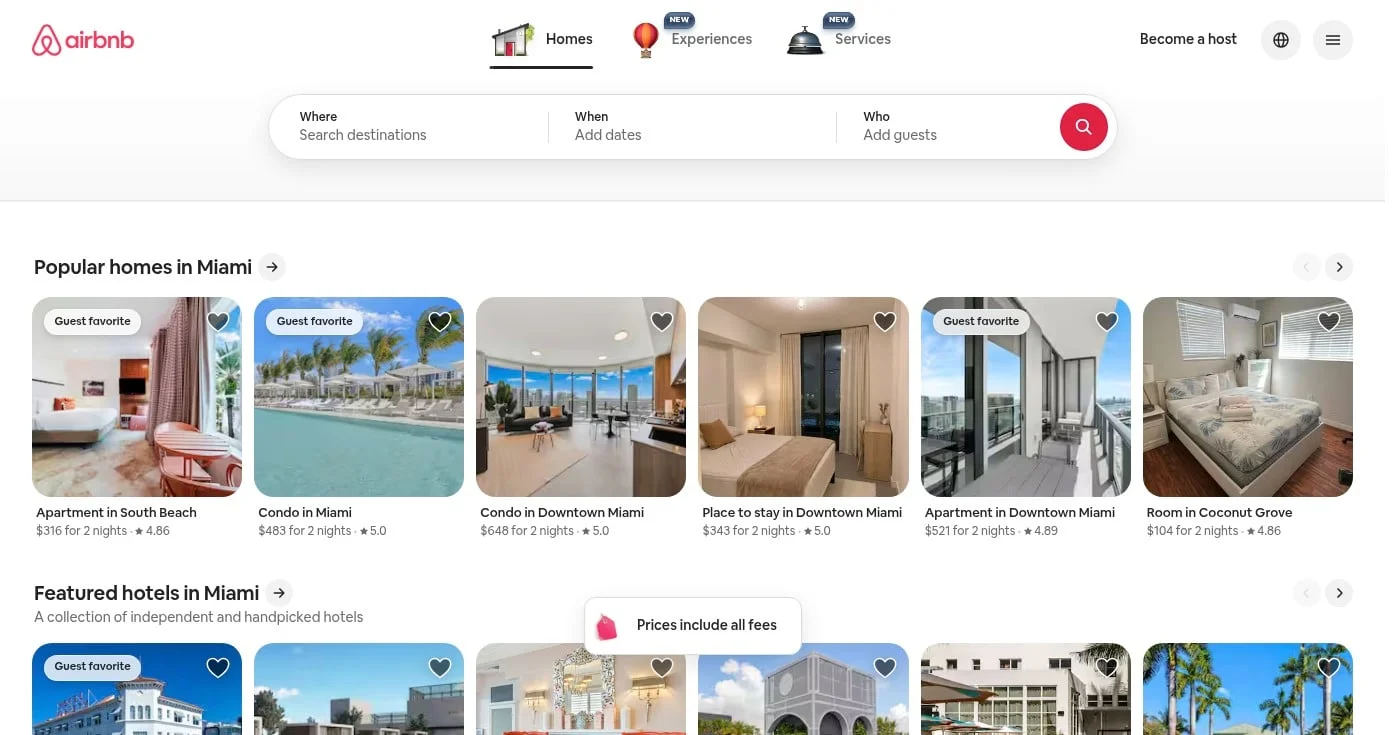
Hotels serve the functional job: find a place to sleep. Airbnb identified social and emotional jobs that hotels can't address by design.
The social job ("Have a story to tell about where I stayed") and the emotional job ("Feel like a local, not a tourist") shaped every design decision. Reviews build trust and community signal. Experiences provide local access.
Neighborhood guides reinforce local identity. None of these decisions came from feature prioritization. They came from the jobs being served.
The JTBD framing also redefined Airbnb's competitive set. Airbnb doesn't primarily compete with Marriott. It competes with staying with friends, not going on the trip at all, and "stay at a cheaper hotel."
Every product decision that makes an Airbnb stay feel more local and less like an anonymous check-in addresses the emotional and social jobs hotels structurally can't serve.
Airbnb grew from 2,500 listings (2009) to 6.6 million (2022). Long-term stays and Experiences, both added later, are extensions of the same emotional job.
Demand-side market analysis; job-based product architecture. thrv.com analysis documents the job framing.
The pre-launch JTBD memo that became company strategy
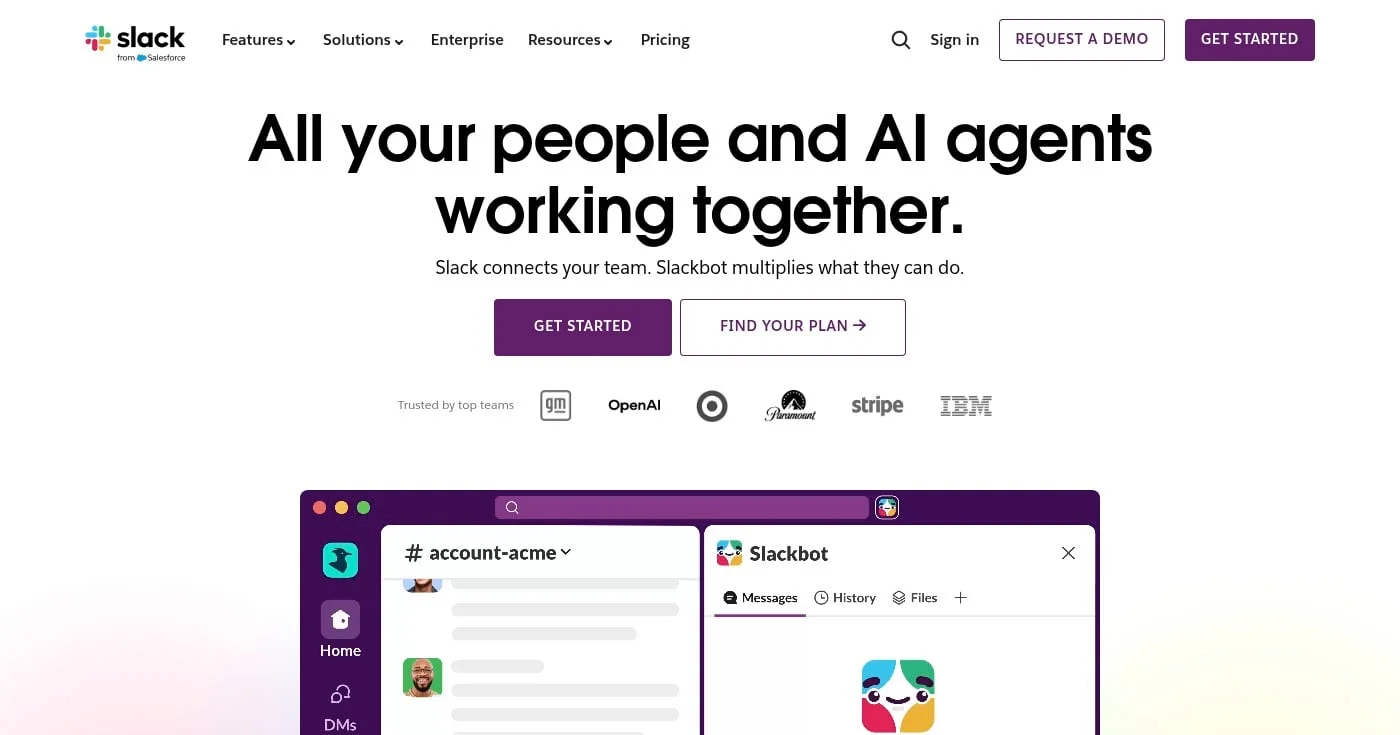
Before Slack shipped, CEO Stewart Butterfield wrote a company memo titled "We Don't Sell Saddles Here."
The memo is one of the clearest applications of JTBD thinking by a CEO in writing, and it predates the product launch.
The memo's core argument: Slack wasn't selling chat software. It was selling a reduction in the cost of communication and zero-effort knowledge management.
Selling features (channels, DMs, integrations) to customers who already had email was a losing proposition. Selling the progress customers would make (decisions faster, context preserved, context searchable) was how you create a new category.
Slack's JTBD: "Reduce communication overhead and make team knowledge instantly searchable." That job statement shaped product positioning, pricing, and every GTM message from day one.
u/ToStringMethod in r/ProductManagement: "I am a fan of JTBD because it aligns the entire product lifecycle around customer outcomes. By defining the product through the lens of the job the customer is hiring it to do, you establish outcome-focused language right from inception." (r/ProductManagement, May 2025)
Slack reached 12 million daily active users before being acquired by Salesforce. The JTBD insight wasn't discovered retroactively: it was the founding strategic frame.
JTBD as pre-launch positioning framework. Butterfield's memo is the primary source.
Two different jobs, two entirely different business architectures
Blockbuster's job: "Be the convenient stop to pick up the latest releases for movie night." That job required real estate in high-traffic locations, deep new-release inventory, and fast checkout.
Netflix identified a different job: "Help me discover and watch films that match my tastes, on my schedule, without late fees or trips to the store."
That job required logistics infrastructure, personalization algorithms, and customer behavioral data. No overlap with Blockbuster's architecture.
Because the jobs were different, every business decision diverged. Blockbuster optimized for location density and new-release stock. Netflix optimized for taste-matching and delivery convenience.
Blockbuster saw Netflix as a niche mail-order service. Netflix saw the job (reliable access to the films you want, on your terms) as a large underserved market with low switching cost from store rentals.
Netflix grew from 7.5 million subscribers (2007) to over 260 million (2023). Blockbuster filed for bankruptcy in 2010.
The Netflix case illustrates the consequence of defining your market by product category (video rental) vs. by the underlying job (watch what I want, when I want).
Netflix didn't follow a formal JTBD process, but the lesson holds. One definition puts you in the same market as Blockbuster. The other puts you in a different market entirely.
Job-based market definition applied by Christensen's research; subscriber data from Netflix Investor Relations.
Three job types driving one product strategy
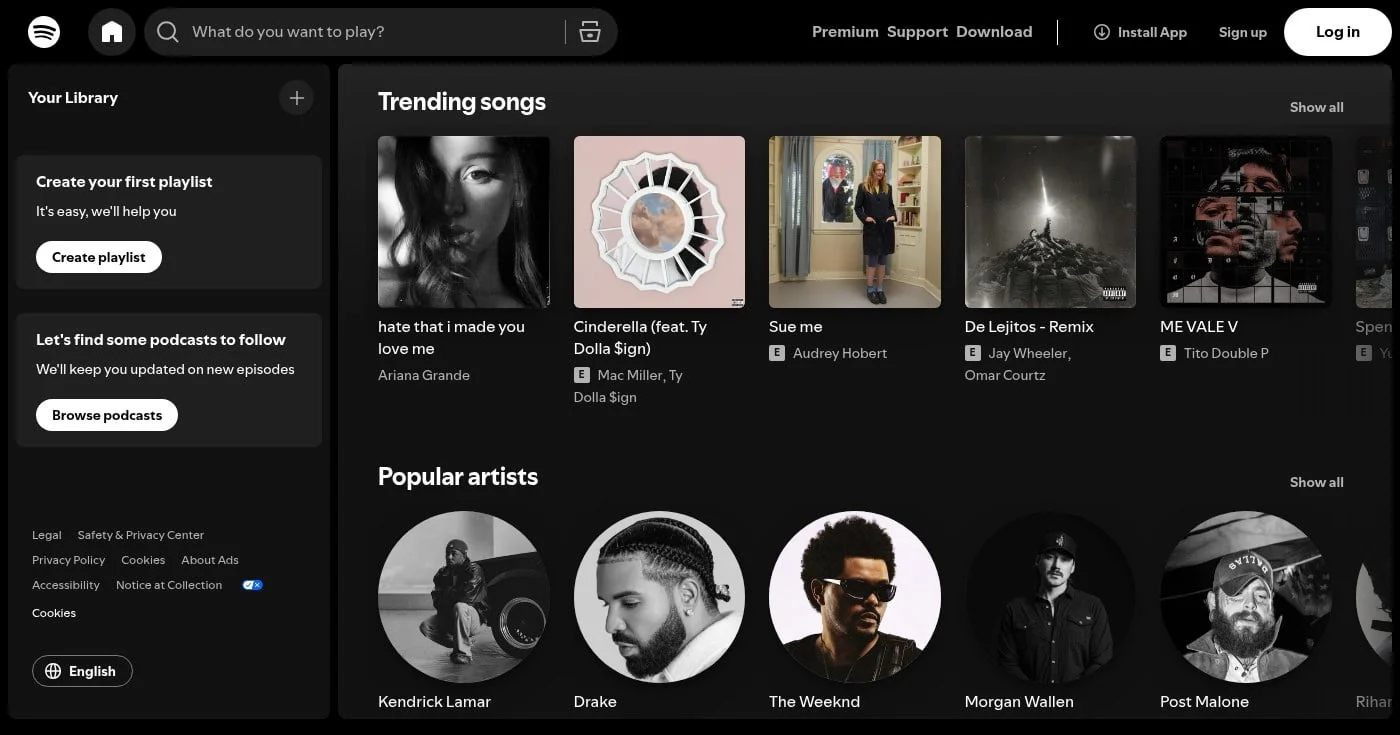
Spotify's job architecture is one of the clearest available demonstrations of how functional, emotional, and social jobs interact in a single product.
Before Spotify, finding music required active curation: building playlists track by track, browsing albums, buying individual downloads. The functional job: "Find the right music for this moment without effort." Discover Weekly, Release Radar, and Daily Mix address this job directly.
Each reduces curation work to zero.
The emotional job ("Match my mood with the perfect soundtrack") drove mood-based playlists (Focus, Sleep, Party) and the emotion-labeled genre categories. The social job ("Signal my taste to others") produced Spotify Wrapped, social sharing, collaborative playlists, and the public follower count. Every major Spotify feature maps to one of the three job types.
Teresa Torres (@ttorres): "Good product discovery starts with a clear desired outcome." (June 2023) Spotify's feature output is a working demonstration of what discovery anchored to functional, emotional, and social jobs looks like in production.
Three-job-type product strategy (functional, emotional, social). Spotify Newsroom documents Discover Weekly engagement data.
A 20x install base from identifying the right dealer segment
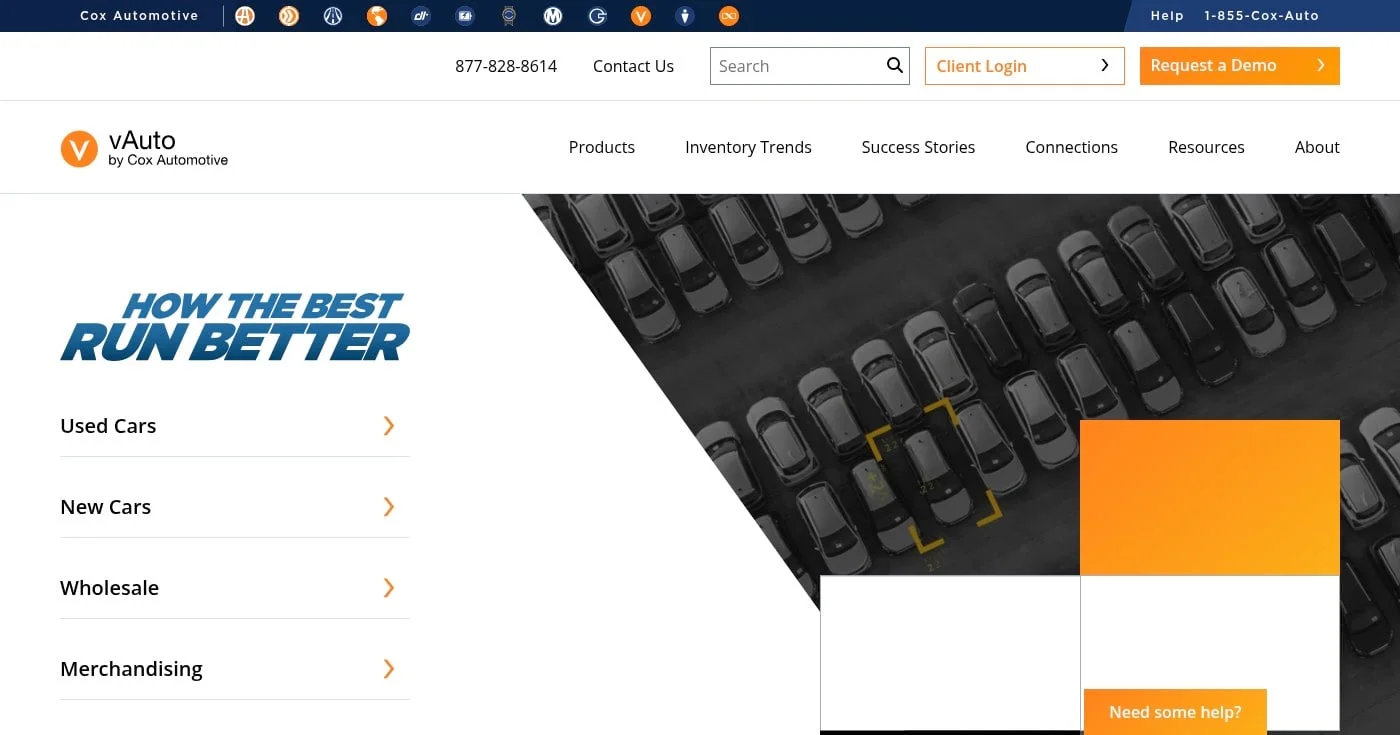
Cox Automotive applied JTBD to identify which dealer segments were most underserved in the inventory management job. "Auto dealer" is not a job-based segment.
Strategyn's ODI process identified a more precise segment: dealers managing high inventory turn with limited staff and no manual analysis capacity. The specific outcome metrics that segment was failing to meet became the product development target.
Randy Kobat, SVP Cox Automotive: "The project had a significant financial impact to the vAuto business. Today, we have about 4,000 clients using the solution." The install base grew 20x.
This case matters for B2B SaaS practitioners because it illustrates the ODI market segmentation step specifically. Job-based segments are defined by shared outcome metrics, not by company size, industry, or buyer persona.
Two dealers with identical firmographic profiles can have completely different unmet job outcomes depending on staff size and inventory strategy. ODI finds the segment defined by shared unmet needs, a segmentation that drives product differentiation rather than just targeted marketing.
Strategyn ODI: importance × satisfaction scoring of outcome metrics, job-based market segmentation.
The $1 billion over-served segment Gillette missed
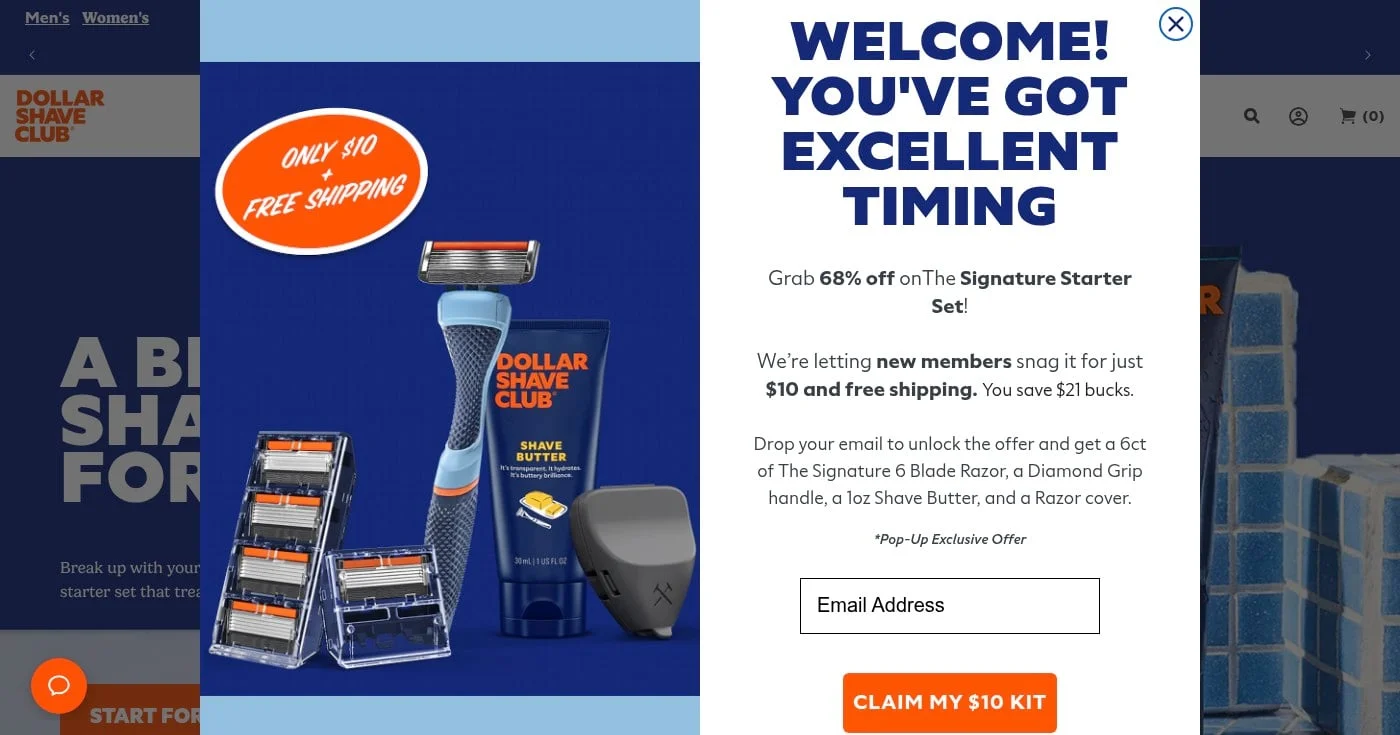
Gillette's product strategy was internally consistent: keep improving the razor. More blades, vibration cartridges, moisture strips, better pivoting heads. Each generation addressed what the most demanding shaving enthusiasts valued.
Dollar Shave Club found a large segment with a completely different job: "Get a decent razor at a fair price, delivered without effort." On shaving performance, this segment was over-served. The features Gillette was charging for were features this segment didn't value and wouldn't pay for.
Strategyn on LinkedIn (May 2026) (LinkedIn):
Gillette kept making razors better. Dollar Shave Club made them good enough. Unilever paid $1 billion for the difference. The segment that only needed a decent razor at a fair price existed in the market the entire time. Not a different demographic. The same demographic. A different set of primary unmet needs.
Unilever acquired Dollar Shave Club for $1 billion. The over-served segment pattern is one of Strategyn's most replicable JTBD findings. When a market leader keeps innovating on features a large segment doesn't value, a simpler product targeting that segment's actual job can capture significant share at a fraction of the R&D cost.
Over-served segment identification via Christensen's disruptive innovation model applied to JTBD.
Solving the reliability failure of an incumbent category
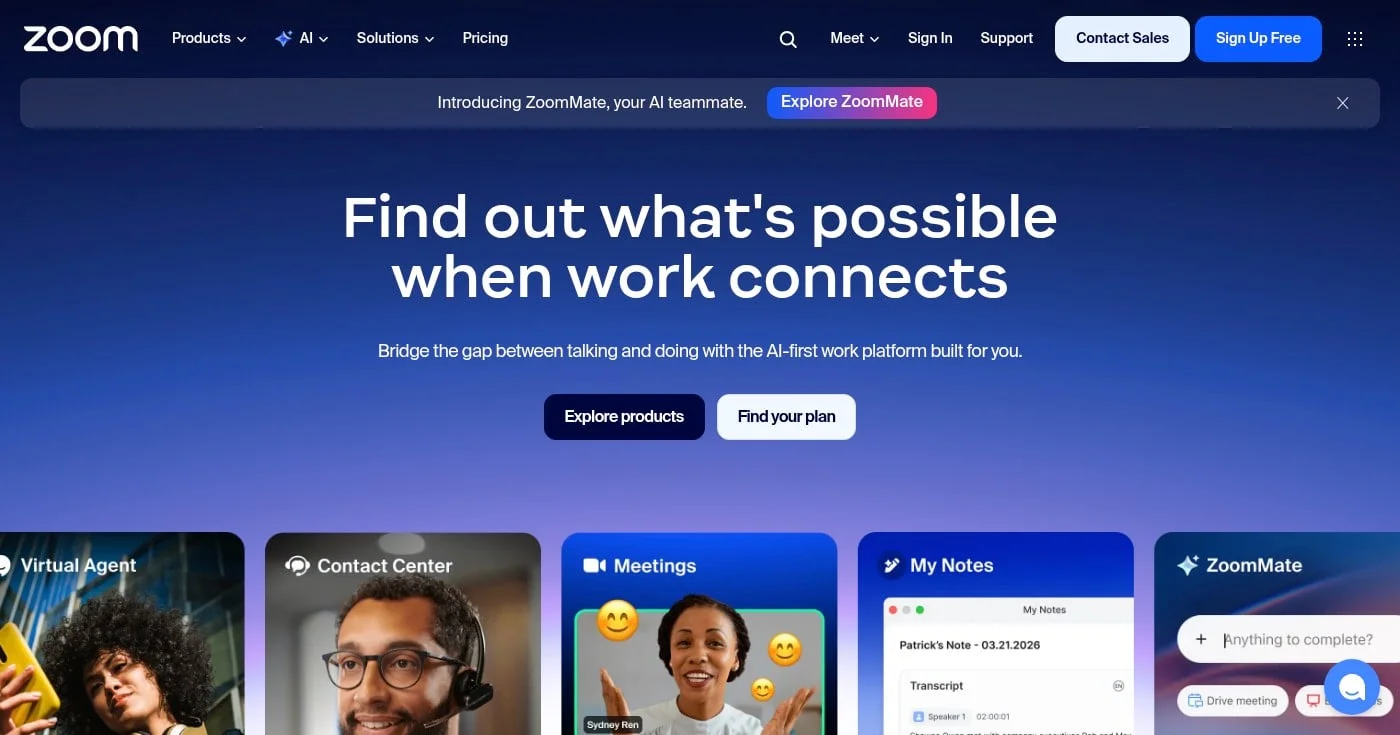
Video conferencing existed before Zoom. Skype, WebEx, and GoToMeeting were all competing in the same category. None of them had solved reliability at scale.
Zoom's JTBD: "Connect remote workers face-to-face reliably, on any device, with minimal setup." The functional job was identical to every competing product. The outcome metric most underserved was reliability: calls dropping, audio sync failing, bandwidth crashes on slower connections.
Zoom's HD audio-video architecture prioritized that one outcome metric above all others.
The emotional job (making distributed teams feel present rather than isolated) drove virtual backgrounds, gallery view, and reactions. Each addressed the "feeling like I'm in the same room" job rather than a competitive checklist against Skype.
Zoom saw 354% customer growth following COVID-19. Daily meeting participants surpassed 300 million by April 2020. COVID didn't create the job; it made the job urgent for the majority of professionals who had never experienced reliable video conferencing.
Outcome metric identification within an existing functional job (reliability gap analysis). Zoom blog documents the growth data.
Jobs as the unit of organizational design
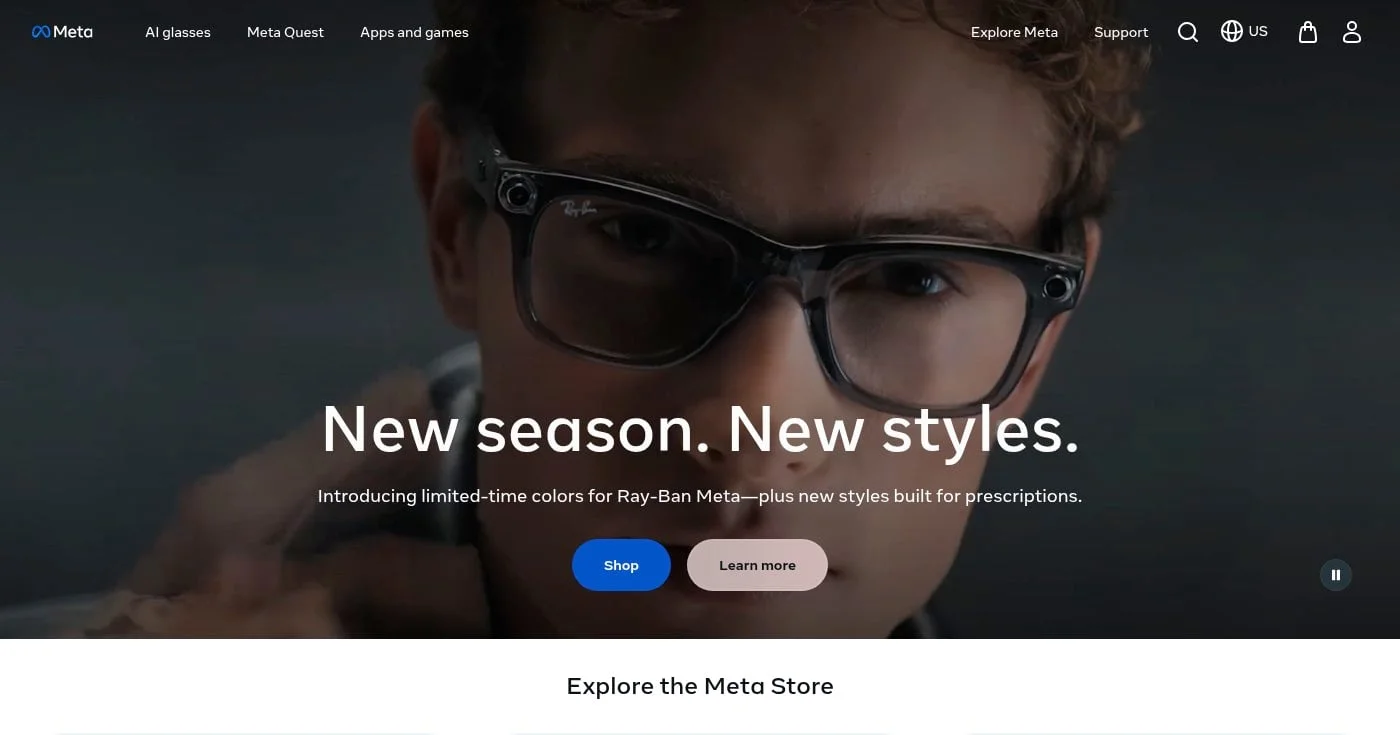
Most JTBD examples describe product discovery. Meta's application describes organizational design.
u/TheShortAzn in r/ProductManagement (February 2025, score: 15): "At Meta, in my org, we do JTBD hybrid. Each job is a pod, and each pod has eng, product, design, UXR, DS... Don't make your JTBD complicated to start with." (r/ProductManagement)
The implication: the job statement isn't just a research artifact. It becomes the ownership boundary for a cross-functional team. Each pod owns one job, holds one measurable outcome, and contains all the disciplines needed to work on that job.
The pod's success metric is "job done better," not "features shipped."
This structure solves the cross-functional alignment problem that makes JTBD hard to operationalize at scale. Instead of translating a job statement into requirements, sprints, and handoffs where the job's meaning gets diluted, the job becomes the team's identity and accountability frame.
u/Flys_Lo in r/ProductManagement: "JTBD I think is an essential framework as part of your strategy... understanding the 'unconventional' competitors you may have by how your customers are solving for them." (r/ProductManagement, May 2025)
Job-as-pod cross-functional team structure. r/ProductManagement discussion is the primary source.
Four statement formats exist across the four main JTBD schools. Choose based on what you need the statement to do:
The same commuter job written in all four formats:
Format | Statement |
|---|---|
Verb-first (Ulwick) | "Consume a filling, hands-free commute companion" |
ODI outcome (Strategyn) | "Minimize the time spent feeling bored or hungry during a morning commute" |
Job Story (Intercom) | "When I'm driving alone to work, I want something filling that occupies my attention, so I can arrive without stopping for food" |
Progress narrative (Christensen) | "Get through a boring hour-long commute without hunger or mess" |
The examples above illustrate what works. These five anti-patterns explain why the method fails when applied incorrectly.
Job too precise: "Fill out the expense report form" describes a UI step, not a market segment. "Account for all business spending without delaying project work" defines a market. If your job statement only applies to one screen in your product, it's a use case.
Job too broad: "Hire an app to run my business" doesn't guide any product decision. A real job statement should exclude products that don't do this job. If 50 different products qualify, the statement is too broad.
Solution language in the statement: "Hire a design system with dark mode and responsive tokens" describes a product. "Hire a design system that lets UI teams maintain consistent components across products" describes the job.
"Bitching ain't switching": Bob Moesta: "Just because people [complain] about something doesn't mean they're going to do anything about it." (Lenny's Podcast) Basecamp users said they'd leave without Gantt charts.
They didn't leave. JTBD interviews focus on what people did, not what they said they would do.
Treating JTBD as a UX flow tool: u/contralle on Reddit (r/ProductManagement, Oct 2021):
JTBD is really helpful for getting to the heart of a complex problem with multiple intertwined stakeholders... I think it is helpful for describing technology-agnostic problems that someone needs to solve in the course of their work, NOT for laying out the specific steps someone would take in your product.
Teams that use JTBD to map product flows end up mapping UI steps, not jobs.
US product manager salary is three samples: posted cash near $180k, SMB payroll near $132k, tech TC $230k. 42 stats by level, stage, and region for 2026.

Product strategy is where-to-play and how-to-win choices, including the work the roadmap will omit.

The MoSCoW method sorts a timeboxed release into Must, Should, Could, and Won't this time. ABC tests, the 60% effort cap, and where the four buckets collapse.
